Products
-
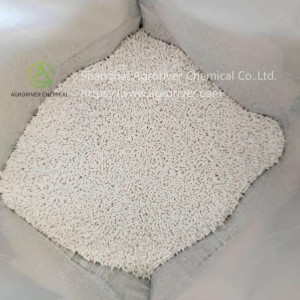
Trifloxystrobin 25% WG
Trifloxystrobin (methyl (E)-2-(methoxyimino)-2-[2-[[[[(E)-1-[3-(trifluoromethyl)phenyl]ethylidene]amino]oxy]methyl]phenyl]acetate) is an organic compound mainly used as a broad-spectrum, systemic fungicide, with other uses as a seed treatment and to control powdery mildew, rusts, leaf spots, and scab. It is a protective and curative fungicide, and it inhibits mitochondrial respiration by blocking electron transfer at the Qo site of cytochrome bc1, causing the pathogen to stop growth and die within hours. The inhibition cannot be reversed. Trifloxystrobin 25% WG is a water-dispersible granule formulation for foliar application.
-
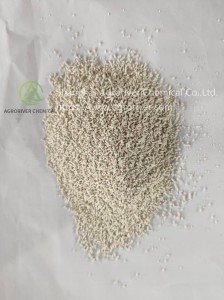
Cyprodinil 750 G/KG WG
Cyprodinil (4-cyclopropyl-6-methyl-N-phenylpyrimidin-2-amine) is an organic compound mainly used as a broad-spectrum, systemic fungicide, with other uses as a post-harvest protectant and to control gray mold, scab, and brown rot. It is a protective and curative fungicide, and it inhibits the secretion of fungal enzymes involved in methionine biosynthesis and mycelial growth, causing the pathogen to stop growth and die within hours. The inhibition cannot be reversed. Cyprodinil 750 g/kg WG is a water-dispersible granule formulation for foliar application.
-
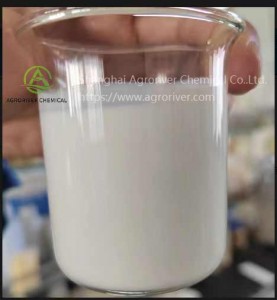
Pyrimethanil 40% SC
Pyrimethanil (N-(4,6-dimethylpyrimidin-2-yl)aniline) is an organic compound mainly used as a broad-spectrum, systemic fungicide, with other uses as a post-harvest protectant and to control gray mold, leaf spot, scab, and storage diseases. It is a protective and curative fungicide, and it inhibits the secretion of fungal enzymes involved in methionine biosynthesis, causing the pathogen to stop growth and die within hours. The inhibition cannot be reversed. Pyrimethanil 40% SC is a suspension concentrate formulation for foliar application.
-
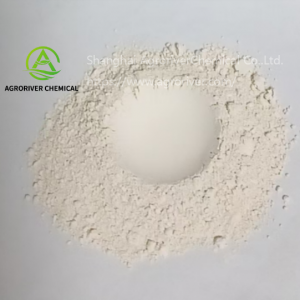
linuron 50% WP
Linuron is an organic compound belonging to the substituted urea class of herbicides. It is used as a selective, systemic herbicide, with both contact and residual action, for pre- and post-emergence control of annual grass and broad-leaved weeds. It is absorbed principally by the roots but also by the foliage, with translocation primarily acropetally in the xylem. Linuron inhibits photosynthesis by blocking electron transport at the photosystem II receptor site (Site A). This binding to the D1 protein interrupts the photosynthetic electron transport chain, preventing plant growth and leading to cell membrane destruction. It is used on a wide variety of crops including asparagus, carrots, potatoes, cereals, maize, cotton, soya beans, and others.
-
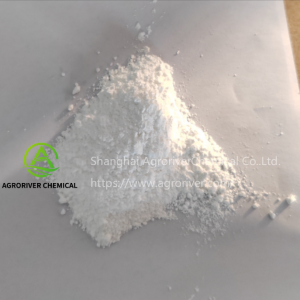
Thiocyclam-hydrogenoxalate 50% SP
Short description:
Thiocyclam-hydrogenoxalate belongs to the nereistoxin analogue class of insecticides. It has contact and stomach poisoning effects, with systemic conduction and ovicidal properties. It is a pro-insecticide that is metabolized into nereistoxin in the insect body, and its mechanism of action is to occupy acetylcholine receptors and block synaptic transmission in the central nervous system, leading to paralysis and insect death.
-
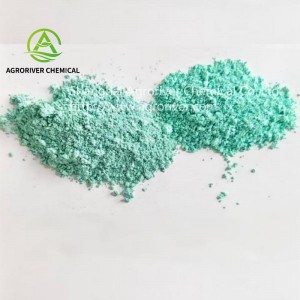
Copper Oxychloride
Copper Oxychloride is a copper-based inorganic protective fungicide and bactericide. It acts mainly by releasing copper ions, which inhibit the germination of fungal spores and the growth of pathogenic microorganisms, providing effective protection against a wide range of fungal and bacterial diseases.
-
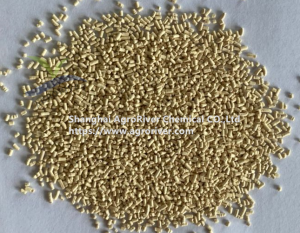
Halosulfuron-methyl 75% WDG
Halosulfuron-methyl (methyl 3-chloro-5-[(4,6-dimethoxypyrimidin-2-yl)carbamoylsulfamoyl]-1-methylpyrazole-4-carboxylate) is an organic compound mainly used as a selective, systemic post-emergence herbicide, with other uses as a crop desiccant and to control broadleaf weeds and sedges in sugarcane, corn, turf, and rice. It is a plant growth inhibitor, and it attacks the acetolactate synthase (ALS) enzyme in susceptible weeds, halting cell division and protein synthesis within hours. The growth arrest is irreversible, leading to gradual chlorosis and necrosis over 7–14 days.
-
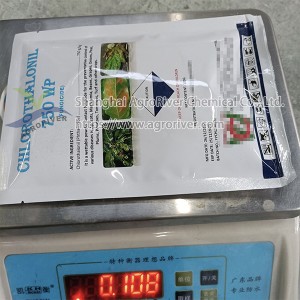
Chlorothalonil 75% WP
Chlorothalonil(2,4,5,6-tetrachloroisophthalonitrile) is an organic compound mainly used as a broad spectrum, nonsystemic fungicide, with other uses as a wood protectant, pesticide, acaricide, and to control mold, mildew, bacteria, algae. It is a protective fungicide, and it attacks the nerve system of insects and mites, causing paralysis within hours. The paralysis can not be reversed.
-
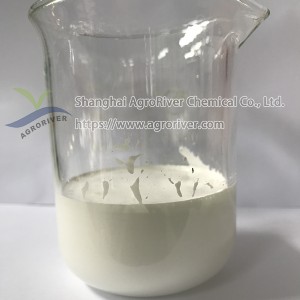
Chlorothalonil 72%SC
Chlorothalonil (2,4,5,6-tetrachloroisophthalonitrile) is an organic compound mainly used as a broad spectrum, nonsystemic fungicide, with other uses as a wood protectant, pesticide, acaricide, and to control mold, mildew,bacteria,
-
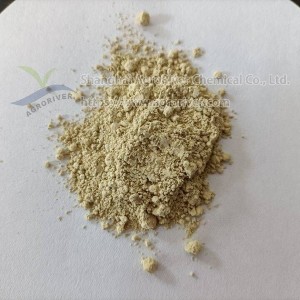
Mancozeb 64% +Metalaxyl 8%WP Fungicide
Short Description:
Classified as a contact fungicide with preventive activity. Mancozeb +Metalaxyl is used to protect many fruit, vegetable, nut and field crops against a wide spectrum of fungal diseases.
-
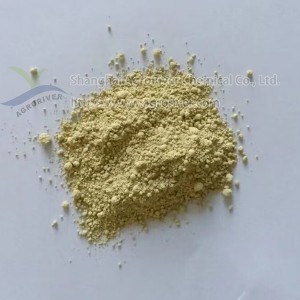
Mancozeb 80%Tech Fungicide
Short Description
Mancozeb 80%Tech is an ethylene bisdithiocarbamate protective fungicide which can inhibit pyruvic acid being oxidated so as to kill the Epiphany
-
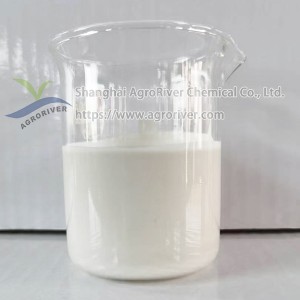
Azoxystrobin20%+difenoconazole12.5%SC
Short Description:
Azoxystrobin + Difenoconazole is Broad spectrum Systemic fungicide, a formulated mixture of fungicides used to control many fungal diseases.