Copper Oxychloride
Products Description
Basic Information
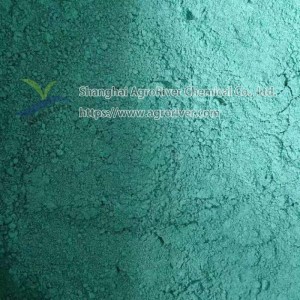
Common Name: Copper oxychloride
CAS No.: 1332-40-7
Synonyms: Dicopper chloride trihydroxide; Copper oxychloride; Copper(II) chloride trihydroxide; Basic copper chloride
Molecular Formula: Cu₂(OH)₃Cl
Agrochemical Type: Fungicide
Mode of Action: Copper oxychloride is a copper-based protective fungicide and bactericide. It acts mainly by releasing copper ions on the surface of plants, which interfere with the essential metabolic processes of fungal and bacterial pathogens, inhibiting spore germination and the growth of pathogenic microorganisms. It is a broad-spectrum, non-systemic protective fungicide and is commonly used for the prevention and control of various fungal and bacterial diseases.
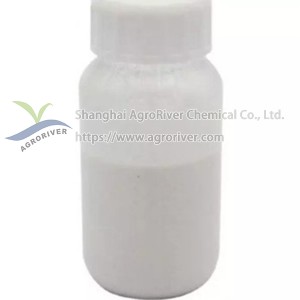
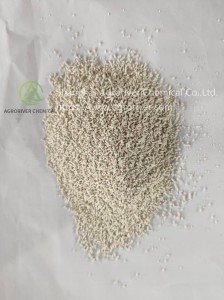
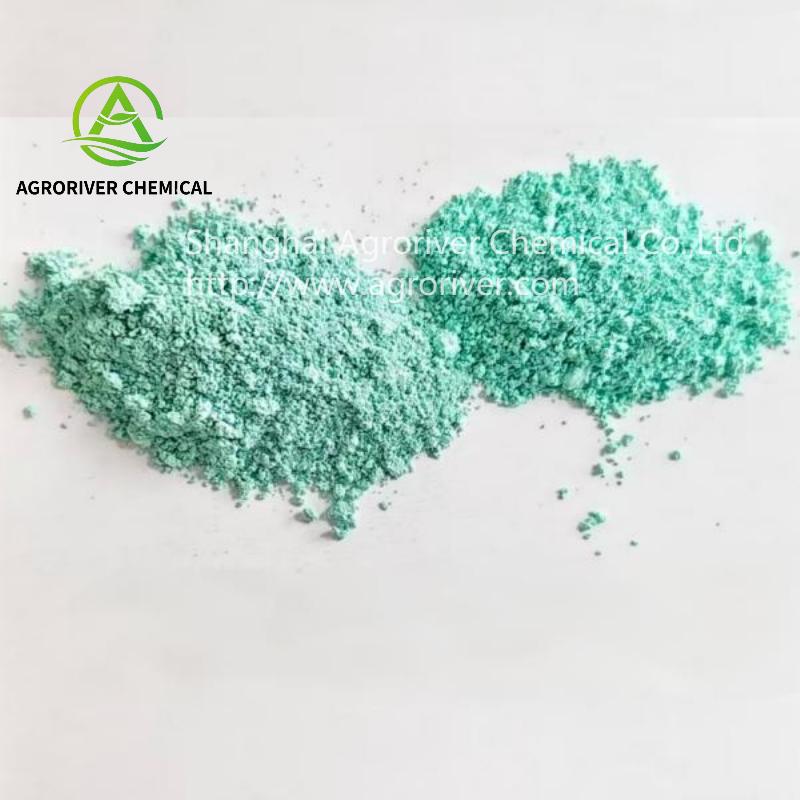
Specification: Copper oxychloride 50% WP, 85% WP, 35% SC, 84% WDG;
Copper Hydroxide 16.5% + Copper Oxychloride 17.5% SC;
Cyazofamid 6% + Copper Oxychloride 72% WDG;
Pyraclostrobin 100g/L + Copper Oxychloride 300g/L SC;
Copper Oxychloride 35% + Metalaxyl 15% WP;
Kasugamycin 2% + Copper Oxychloride 45% WP.
Application
Copper oxychloride is a broad-spectrum, non-systemic protective fungicide and bactericide. It acts mainly on the surface of plants by releasing copper ions, which interfere with the essential metabolic processes of pathogenic fungi and bacteria, inhibiting spore germination and pathogen growth. It is mainly used for the prevention and control of various fungal and bacterial diseases of agricultural crops, fruit trees, vegetables and other plants.
It can be used to control a wide range of diseases, including downy mildew, late blight, early blight, leaf spot, anthracnose, bacterial leaf spot, bacterial canker and other fungal and bacterial diseases. It is suitable for use on vegetables, fruit trees, grapes, potatoes, tomatoes and other crops. As a protective fungicide, it is generally applied before or at the early stage of disease development to prevent pathogen infection and reduce disease incidence.
Copper oxychloride has a multi-site mode of action and is not systemic. It remains on the plant surface and forms a protective layer after application. When fungal or bacterial pathogens come into contact with the treated plant surface, released copper ions interfere with their enzyme activity and essential physiological processes, thereby inhibiting the germination and development of pathogens.
For disease prevention and control, the recommended application rate and spray concentration should be adjusted according to the crop, target disease, disease pressure and formulation concentration. Thorough coverage of the plant surface is important for achieving effective protection. Applications may be repeated when necessary according to the registered label directions and local agricultural practices.
Do not apply directly to young or sensitive plant tissues at excessive concentrations, as copper-based fungicides may cause phytotoxicity under certain conditions. Avoid application during periods of extreme heat or when plants are under stress. The product should be used in accordance with the approved label instructions and local registration requirements.