Thiocyclam-hydrogenoxalate 50% SP
Products Description
Basic Information
Common Name: Thiocyclam-hydrogenoxalate
CAS No.: 31895-22-4
Synonyms: N,N-dimethyl-1,2,3-trithian-5-ylamine oxalate; Thiocyclam hydrogenoxalate; Thiocyclam oxalate; Cyclate; Evisect; Evisect S; Evisekt; Nerisect; SAN 155; SAN 155I; Stamina 50
Molecular Formula: C₇H₁₃NO₄S₃ or C₅H₁₁NS₃·C₂H₂O₄
Agrochemical Type: Insecticide
Mode of Action: Thiocyclam-hydrogenoxalate belongs to the nereistoxin analogue class of insecticides. It acts as a pro-insecticide that is metabolized into nereistoxin in the insect body. Its mechanism of action involves blocking the nicotinic acetylcholine receptor (nAChR) ion channels in the central nervous system of insects, leading to paralysis and eventual death. It exhibits cholinergic effects at low concentrations and anti-cholinergic effects at high concentrations without affecting cholinesterase activity.
Formulation: Thiocyclam-hydrogenoxalate 50% SP;
Thiocyclam-hydrogenoxalate 30% OD;
Thiocyclam-hydrogenoxalate 33% + Spinosad 3% OD;
Thiocyclam-hydrogenoxalate 25% + Spirotetramat 10% OD;
Thiocyclam-hydrogenoxalate 25% + Acetamiprid 3% WP.
Specification:
|
ITEMS |
STANDARDS |
|
Product name |
Thiocyclam-hydrogenoxalate 50% SP |
|
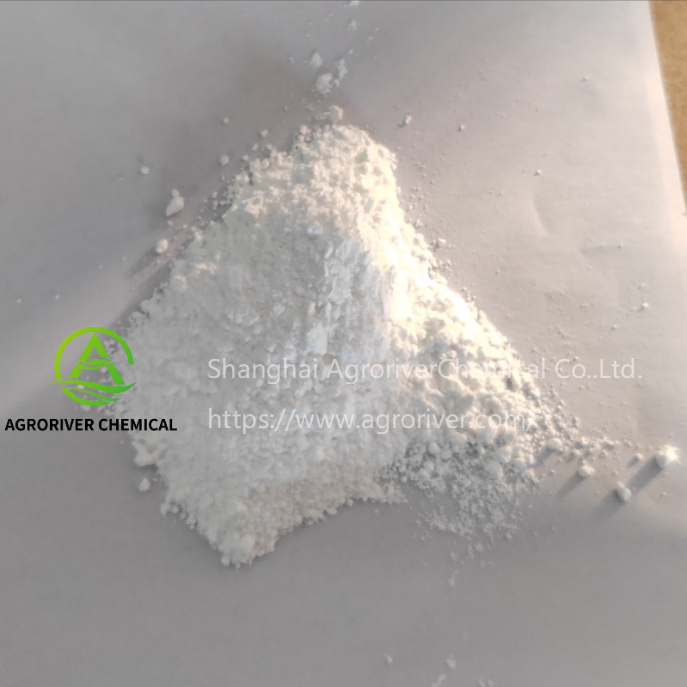
Appearance |
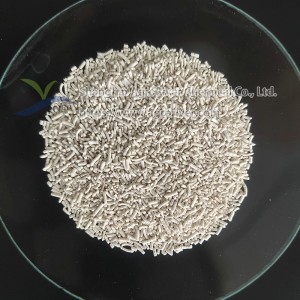
Off white powder |
|
Content |
≥ 50.0% |
|
pH |
2.0~5.0 |
|
Water insolubles, % |
≤ 0.5% |
|
Wetting time |
≤ 60 seconds |
|
Solution stability |
Qualified |
|
Stability at 0℃ |
Qualified |
Packing
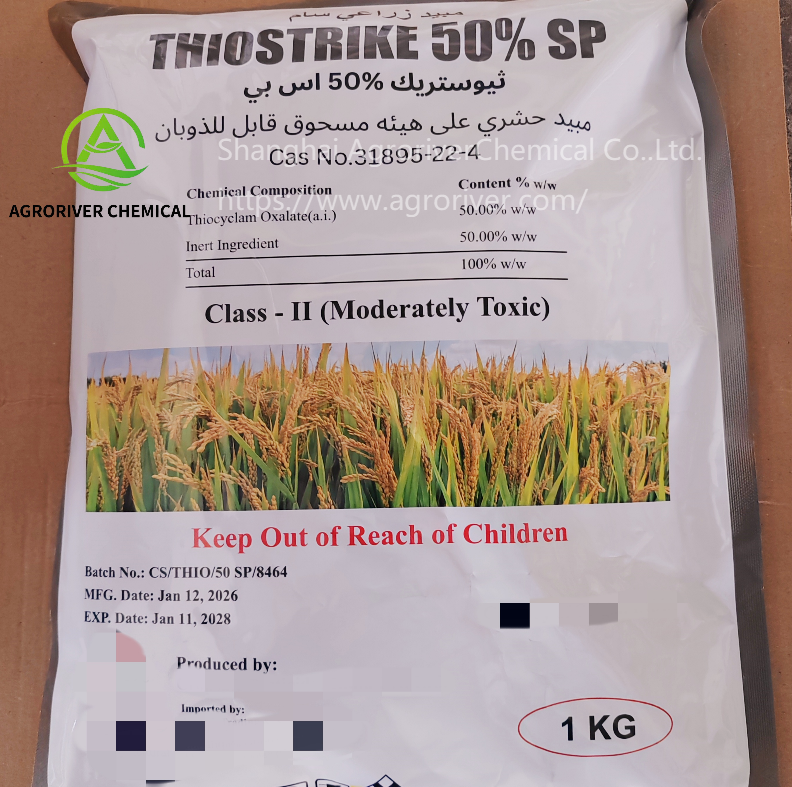
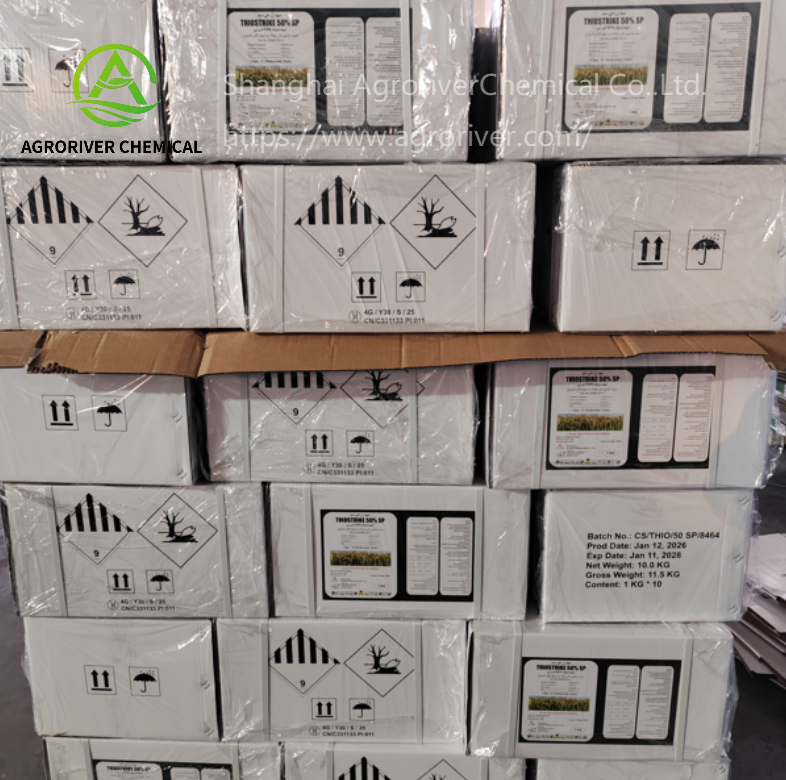
25kg bag,1kg Alu bag,500g Alu bag etc or according to client's requirement.
Application
Thiocyclam-hydrogenoxalate 50% SP belongs to the nereistoxin analogue class of insecticides. It has contact, stomach poisoning, systemic conduction and ovicidal effects. After being absorbed by the plant, it is translocated throughout the tissues, providing protection against both above-ground and below-ground pests. Its mechanism of action involves being metabolized into nereistoxin in the insect body, which blocks the nicotinic acetylcholine receptor (nAChR) channels in the insect's central nervous system, leading to paralysis and insect death.
Suitable for controlling Lepidoptera and Coleoptera pests on rice, corn, potatoes, vegetables, onions, and other crops; it is also effective against rice stem borers, leaf folders, thrips, and other pests. For rice stem borer control, the dosage is 0.75–1.5 kg of formulated product per hectare; for onion thrips control, the dosage is 450–600 g of formulated product per hectare.
Do not use on cotton, beans, or certain fruit tree varieties that are sensitive to thiocyclam.