Pyrimethanil 40% SC
Products Description
Basic Information
Common Name: Pyrimethanil
CAS No.: 53112-28-0
Synonyms: N-(4,6-dimethylpyrimidin-2-yl)aniline; 4,6-dimethyl-N-phenylpyrimidin-2-amine; N-phenyl-4,6-dimethylpyrimidin-2-amine; 2-anilino-4,6-dimethylpyrimidine
Molecular Formula: C12H13N3
Agrochemical Type: Fungicide
Mode of Action: Inhibiting the secretion of fungal enzymes involved in methionine biosynthesis, thereby disrupting cell division and growth. It is a systemic fungicide with protective and curative properties. Pyrimethanil is referred to as a specific fungicide against gray mold because it inhibits the growth and reproduction of the pathogen quickly.
Formulation: Pyrimethanil 40% SC; Pyrimethanil 20% SC; Pyrimethanil 40% WG; Pyrimethanil 50% WG; Pyrimethanil 40% WP
Specification:
|
ITEMS |
STANDARDS |
|
Product name |
Pyrimethanil 40% SC |
|
Appearance |
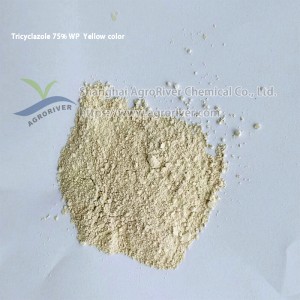
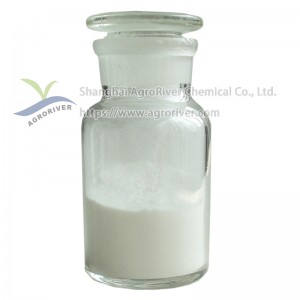
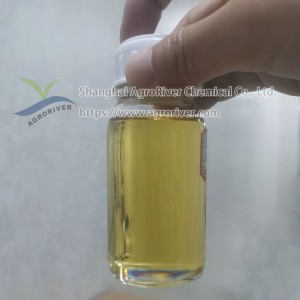
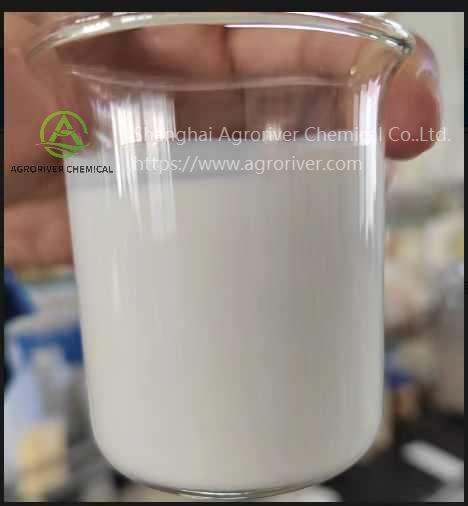
Off-white to light yellow suspension liquid |
|
Content |
≥40% |
|
pH |
6.0~9.0 |
|
Suspensibility, % |
≥ 90% |
|
Wet sieve test |
≥ 98% (passing 45μm) |
|
Stability at 0℃ |
Qualified |
Application
Pyrimethanil is a systemic fungicide with protective and curative properties. After being absorbed by the plant, it inhibits the secretion of fungal enzymes involved in methionine biosynthesis, disrupting cell division and growth. The pathogen stops growing and dies quickly due to the disruption of its metabolic processes. Suitable for controlling gray mold, leaf spot, and scab;
It can also be used as a post-harvest protectant for controlling storage diseases in fruits and vegetables; It can also be used as a specific agent for controlling gray mold on tomatoes, cucumbers, grapes, strawberries, and other crops; When treating crops, the systemic properties allow the chemical to reach the flowers and young fruits that are difficult to cover by spraying, providing long-lasting protection and effectively reducing disease incidence. Because it has good rainfastness, it provides reliable control under various weather conditions.
For crop disease control, the dosage is 3~5g active ingredient/100m². For field spraying, the dilution rate is 800~1200 times, and for orchard and fruit tree spraying, it is 1000~1500 times.
Do not spray during the flowering period of the crop directly, because contact with the flowering parts will cause toxicity to bees and other pollinators.